
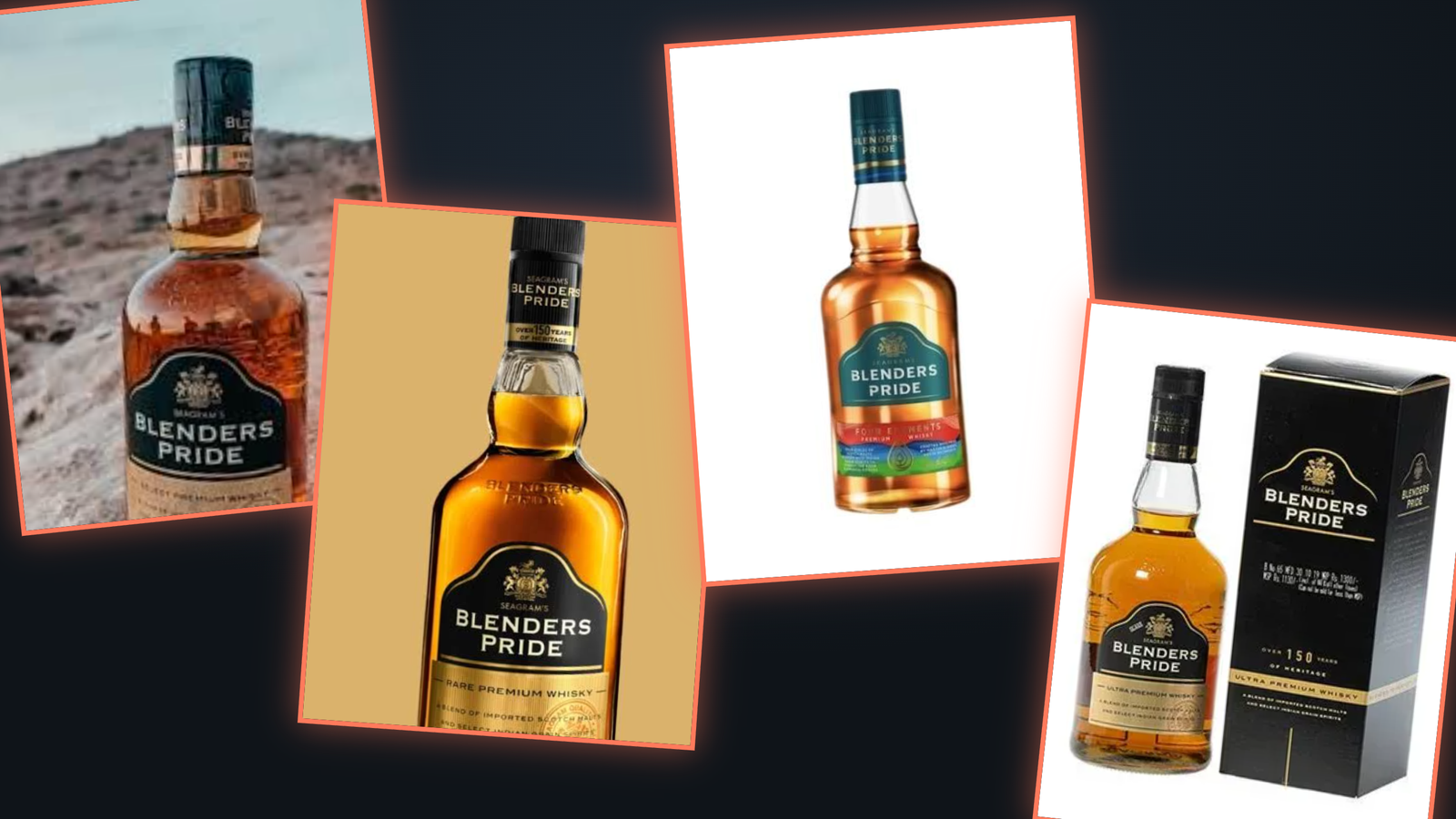
Blenders Pride Rare Premium contains 42.8% ABV, while Reserve Collection contains 40% ABV. The blenders pride alcohol percentage stays the same across bottle sizes. This clear comparison makes this strength figure easier to understand before you buy.
One bottle can raise two different questions. You may want its strength, or you may want its price.
Here’s the useful split: the label answers strength, while the state decides much of the retail cost.
For a broader explanation of alcohol by volume, see the Wikipedia explanation of alcohol by volume. The World Health Organization’s alcohol information also provides useful public-health context.
You can also compare this product with other whisky prices in our whisky price in India article.
Blenders Pride At a Glance
| Detail | Value |
| Brand | Blenders Pride |
| Indian launch | 1995 |
| Current owner | Pernod Ricard |
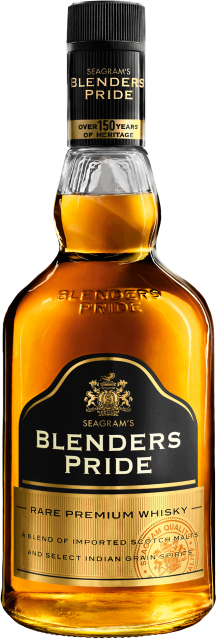
| Rare Premium strength | 42.8% ABV |
| Reserve Collection strength | 40% |
| Reserve Collection launch | December 2011 |
| Reported bottle sizes | 90ml, 180ml, 375ml, 750ml, 1 litre and 2 litres |
| Goa price example | ₹860 for 1 litre |
| 750ml listing example | ₹732 in an August 2026 listing |
| Mumbai and Thane listing | ₹1,500 for 750ml |
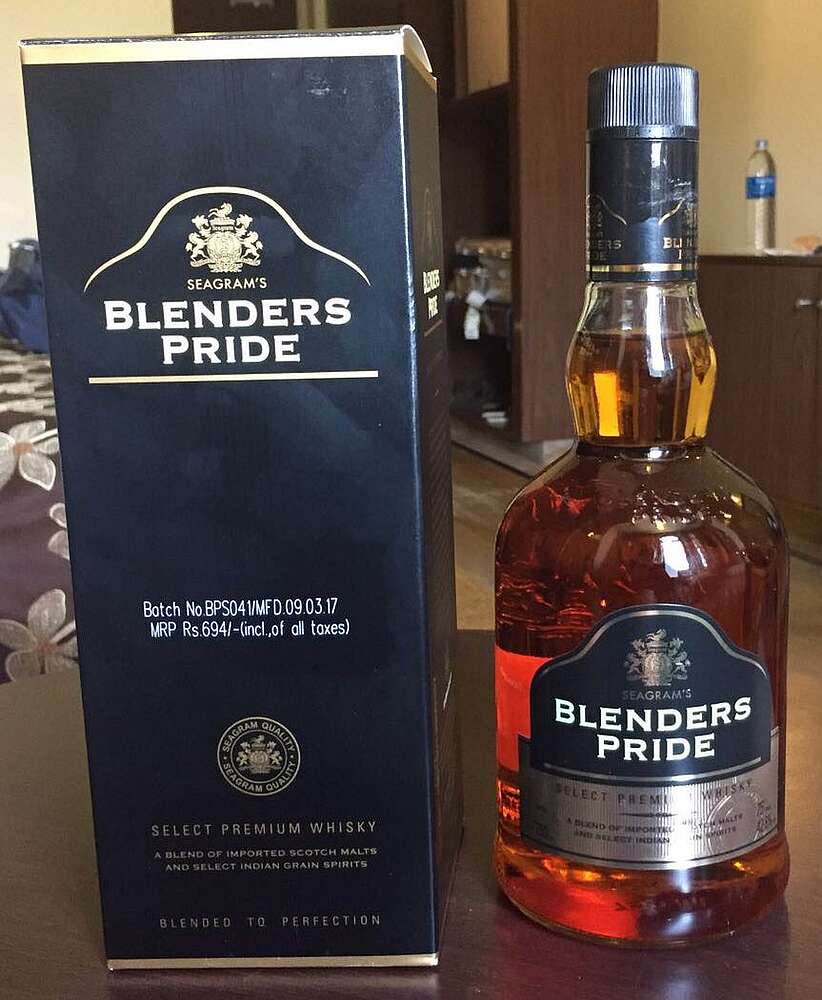
What Is the blenders pride alcohol percentage in India?
The standard Rare Premium expression uses 42.8% ABV. ABV means alcohol by volume, so the number describes the share of pure alcohol in the liquid.
This is the central point when checking the blenders pride alcohol percentage.
A 180ml bottle and a 750ml bottle can carry the same Rare Premium strength. The smaller format contains less liquid, while the larger format contains more.
The blenders pride alcohol percentage in India therefore depends first on the expression name. Rare Premium and Reserve Collection are separate products with different stated strengths.
The bottle front and ABV panel should be read together.
For shoppers comparing labels, the blenders pride alcohol percentage is a product-strength figure. It does not indicate how much liquid is inside a particular bottle.
Indian drinking-age rules vary by state. In most states, the legal drinking age is 21 or older, while some states set a different age.
The local rule applies wherever the bottle is purchased or consumed.
Blenders Pride Reserve Collection Alcohol Percentage
Reserve Collection is listed at 40% ABV. The difference is easy to miss if you check only the name on the bottle.
Its blenders pride alcohol percentage is therefore lower than the Rare Premium figure listed above.
Pernod Ricard launched Reserve Collection in December 2011. The release added a separate expression to a brand that had already been sold in India since 1995.
Variant names matter more than size when you compare the two labels.
| Expression | Stated ABV | What the difference means |
| Rare Premium | 42.8% | Higher stated alcohol concentration |
| Reserve Collection | 40% | Matches the common 40% whisky strength |
These two figures give readers a direct answer about the blenders pride alcohol percentage. Always match the percentage to the expression name before comparing bottles.
Is Blenders Pride Strong Compared With 40% Whisky?
Reserve Collection matches the 40% figure, so the answer changes with the expression.
Calling the brand “strong” without naming the variant can create confusion. Rare Premium has the higher stated strength, while Reserve Collection has the lower one.
The printed ABV gives a cleaner answer than the word “premium” on the label.
The blenders pride alcohol percentage india shoppers see on a Rare Premium bottle remains 42.8% across the reported formats.
A 750ml bottle does not become stronger than a 375ml bottle. It simply contains more of the same blend.
In practical terms, the blenders pride alcohol percentage is about concentration. The total amount of alcohol in a bottle also depends on the bottle’s volume.
What Is Blenders Pride Made From?
The Rare Premium ingredient description names demineralised water, grain neutral spirit and Scotch malts. The ingredient list explains why the product is described as a blend.
A blend containing Indian grain spirit does not fit that narrow category, even when imported Scotch malts are included.
The ingredients and the blenders pride alcohol percentage answer different questions. Ingredients describe what is in the blend, while ABV describes its alcohol concentration.
Blenders Pride Price in India by Bottle Size
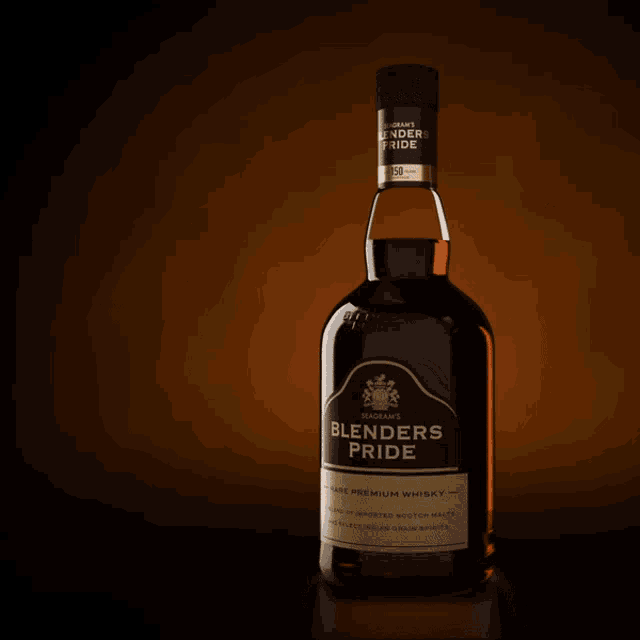
Retail prices are shaped by state excise systems. India does not use one universal retail price for every state, so a 750ml listing in one city cannot become a national price.
Location, bottle size and the date of the listing all matter.
The blenders pride alcohol percentage does not by itself establish a national retail price. Price and strength should be checked as separate label details.
| Bottle size | State or location | Listed price | Date or status |
| 750ml | India listing | ₹732 | August 2026 listing |
| 750ml | Mumbai and Thane | ₹1,500 | Location-specific listing |
| 1 litre | Goa | ₹860 | Location-specific listing |
The ₹732 figure belongs to a 750ml August 2026 listing. It should be read as a dated retail example, not as the price for every Indian state.
Retail listings can also change after excise revisions or stock updates.
A separate Mumbai and Thane listing places 750ml at ₹1,500. That sharp gap shows why state and city details belong beside every price.
Comparing two numbers without their locations can give a false picture.
The blenders pride alcohol percentage in Goa is still a strength question, not a price question.
The Goa example is ₹860 for 1 litre, but that price does not establish the cost of a 750ml bottle there. Bottle size must stay attached to the number.
Whether the bottle is sold in Goa or another state, the blenders pride alcohol percentage should be confirmed from the relevant expression label.
The price may change by location, but the stated ABV remains tied to the product variant.
In May 2026, Karnataka revised liquor rates under an alcohol-content-based excise-duty structure.
That change shows how pricing rules can move beyond a simple brand list. A Karnataka price should therefore be tied to its own dated state schedule or retail listing.
| Price factor | Effect on the listed cost |
| State excise rules | Can change the retail rate by state |
| City or location | Can create different local listings |
| Bottle size | Changes the amount of whisky sold |
| Listing date | Shows when the displayed price applied |
| Excise method | May use alcohol content in the duty structure |
Excise structures may refer to alcohol content, but that does not mean the blenders pride alcohol percentage changes when a local price changes.
The product label and the state pricing system serve different purposes.
How Price Evidence Should Be Used
The available figures are retail listing examples, not an official all-India price list.
The supplied price evidence does not provide a single national schedule from a state excise department. These listings do not establish one fixed rate for every retailer, even when blenders pride alcohol percentage is known.
This is why a price answer should preserve the original location, bottle size and date. It should also keep the blenders pride alcohol percentage separate from the listed price.
Odisha is a separate example of the same limitation. The available research does not provide a verified current Odisha price for Blenders Pride.
Therefore, a number from Goa, Mumbai, Thane or an undetermined 750ml listing should not be presented as an Odisha rate.
For Odisha, the most reliable check would be a current local retail listing or an official state price notice.
The available evidence does not change the stated blenders pride alcohol percentage for either expression.
| Question | What the available evidence supports |
| Is there one India-wide price? | No official all-India price list is provided |
| Is ₹732 a universal 750ml price? | No; it is an August 2026 listing example |
| Is ₹1,500 the price everywhere in Maharashtra? | No; it is identified specifically with Mumbai and Thane |
| Is ₹860 the Goa 750ml price? | No; the example is for a 1-litre bottle |
| What is the verified Odisha price? | No current Odisha figure is supplied |
Which Blenders Pride Bottle Sizes Are Available?
Reported formats include 90ml, 180ml, 375ml, 750ml, 1 litre and 2 litres. Retail stock can differ by state and shop.
A format listed for the brand may not appear in every local outlet.
Across these formats, the blenders pride alcohol percentage depends on whether the bottle is Rare Premium or Reserve Collection.
Size alone does not identify the strength.
| Format | Role in shopping |
| 90ml | Smallest reported format |
| 180ml | Small-format bottle |
| 375ml | Mid-size bottle |
| 750ml | Common full-size listing format |
| 1 litre | Larger bottle format |
| 2 litres | Largest reported format |
Searches for the 180ml price and 375ml price often mix several states together. That creates poor comparisons because excise duties can differ sharply.
The bottle format alone does not tell you the final shelf price.
The clearest example of this problem is the 750ml format. One dated listing shows ₹732, while a Mumbai and Thane listing shows ₹1,500.
Neither number can stand in for every state.
A bottle showing 42.8% ABV still carries the same concentration in each Rare Premium format. The blenders pride alcohol percentage does not change from 180ml to 750ml.
Only the total liquid volume changes.
For Reserve Collection, the corresponding blenders pride alcohol percentage remains 40% across the reported formats. Always check the expression before making a comparison.
Read More Also: Takamaka Rum Price
Who Owns Blenders Pride and When Did It Launch?
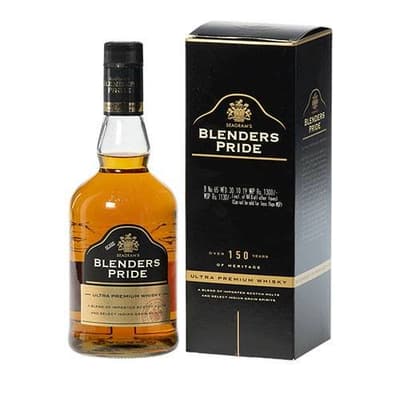
Seagram launched Blenders Pride in India in 1995. That date marks the brand’s Indian beginning, not the launch of every expression sold under its name.
Reserve Collection arrived later as a distinct product.
Pernod Ricard acquired Seagram’s Indian operations after the 2001 global Seagram transaction. Blenders Pride then became part of Pernod Ricard’s Indian brand portfolio.
Ownership history and product strength are separate facts.
The 2001 global transaction involved Pernod Ricard and Diageo, after which Seagram’s Indian operations became associated with Pernod Ricard.
This explains why older references may use the Seagram’s Blenders Pride name while current ownership references identify Pernod Ricard.
The brand’s ownership history does not alter the 42.8% ABV stated for Rare Premium or the 40% stated for Reserve Collection.
It also does not alter the blenders pride alcohol percentage shown on the applicable label.
| Year or date | Milestone |
| 1995 | Seagram launched Blenders Pride in India |
| 2001 | Seagram’s global transaction led to Pernod Ricard’s acquisition of its Indian operations |
| December 2011 | Reserve Collection launched |
| May 2026 | Karnataka revised liquor rates under an alcohol-content-based excise structure |
| August 2026 | A 750ml listing displayed ₹732 |
The timeline helps separate three issues. The 1995 launch explains the brand’s history, the 2011 date identifies Reserve Collection, and the 2026 entries relate to present-day pricing conditions.
None of these milestones changes the blenders pride alcohol percentage. The relevant expression and its printed ABV remain the deciding details.
How to Read a Blenders Pride Label Before Buying
Start with the exact variant name: Rare Premium or Reserve Collection. Those expressions carry different stated ABV figures, so the brand name alone does not answer a strength question.
Next, find the ABV panel rather than guessing from the bottle shape. Rare Premium uses 42.8% ABV, while Reserve Collection uses 40%.
The label provides the most direct product-level answer.
Then check the bottle size and the state-specific maximum retail price. A Goa 1-litre listing cannot answer the price of a Mumbai 750ml bottle.
Size and location belong in the same line whenever you compare costs.
The blenders pride alcohol percentage abv check takes only a moment. Read the expression, read the ABV, and then read the size.
That order prevents the common mistake of treating a larger bottle as a stronger one.
Reading the expression first is the simplest way to confirm the blenders pride alcohol percentage. The bottle size should be checked next, followed by the local price information.
| Label check | What to read |
| Expression name | Rare Premium or Reserve Collection |
| ABV panel | 42.8% or 40% |
| Bottle size | 90ml, 180ml, 375ml, 750ml, 1 litre or 2 litres |
| Maximum retail price | State-specific printed price |
| Purchase location | State and city where the bottle is sold |
A complete label check connects the blenders pride alcohol percentage with the expression, size and location.
This avoids confusing strength information with retail information.
Key Takeaways
- Rare Premium is the higher-strength expression, while Reserve Collection uses the 40% category.
- Bottle size changes the amount of liquid, not the ABV printed for the expression.
- State excise rules can create large price differences between cities and states.
- Every price comparison needs a bottle size, location and date beside it.
- The blenders pride alcohol percentage should be confirmed from the expression and ABV panel on the bottle.
FAQ
What percentage of alcohol is in Blenders Pride?
Reserve Collection uses a separate 40% ABV listing, so the expression name matters.
The blenders pride alcohol percentage is 42.8% for Rare Premium and 40% for Reserve Collection.
What is the alcohol percentage of Blenders Pride 750ml?
A smaller Rare Premium format uses the same stated ABV. Reserve Collection remains a separate expression at 40% ABV.
The 750ml size does not independently determine the blenders pride alcohol percentage.
Is Blenders Pride Rare Premium 42.8% ABV?
Yes — Rare Premium is listed at 42.8% ABV. That number is higher than the 40% used for Reserve Collection.
The difference comes from the expression, not the bottle format. The Rare Premium ingredient description includes demineralised water, grain neutral spirit and Scotch malts.
Thanks so much for reading.
